Thursday, January 28, 2021

Removing Eyelash Extensions At Home? How To Do It Without Lash Loss

Even though there are a handful of safe ways to remove eyelash extensions at home, you should always be wary of things that can go wrong. That’s why we have decided to list some reasons you may want to avoid taking them off yourself. When you know how to apply eyelash extensions professionally, it can often feel like a step backwards, working with mannequins and returning to methods you might have used when training. If you live with someone else, perhaps you could ask them to be a willing model.

how to make lash extensions at home

However, if you’re in a hurry, check out the following procedures to take off the extensions safely and conveniently. Salon eyelash extensions can be costly (around $200 for a full set) and can actually wreak havoc on your natural lashes, interfering with your ability to apply eye and face creams. Professional extensions also require a lot of upkeep and can take as long as two hours to apply.

How to take out lash extensions with aloe vera oil

Still using the micro-wand end of Whisper Light Bond, apply a second coat, this time focusing just on the base of your lashes. "What we're doing is building a little cushion at the base where we're going to have the Gossamers sit inside, which is going to help with that longevity," says Medicis. Instead of full strips, Lashify's lashes come in little clusters called "Gossamers." To cover all of your lashes, you need about five or six of them.

how to make lash extensions at home

As the eyelash extensions sit on the lash line, they may seem to restrict the growth of your natural eyelashes. But that isn’t true in most instances as lash technicians are very careful while applying the extensions on your lash line. My second time applying them I planned better and was able to get about seven days of wear out of them. I couldn't feel them at all and they were totally comfortable to sleep in. A few Gossamers started to lift on day five, but I just added more bonds and spot-fused them in place.

How to remove eyelash extensions at home with castor oil

This means you’ll probably have just a few extra-long lashes left by the end if you don’t refill your extensions. Wash your face and cleanse your lashes to make sure they're free of any oils so that the glue can really adhere. The control kit comes with a sample of Lashify's Pre-Cleanse Solution ($31), which is your best option for prepping your natural lashes.
how to make lash extensions at home

Volume (flat & angled) for selecting and placing volume fans easily. When it comes to sky-high eyelashes, extensions are often the way to go. They’re thick, fluttery, and can last for several weeks — or even months — depending on how you care for them. While false eyelashes are great, eyelash extensions typically look more natural and last for a longer period of time. Plus, it’s pretty nice to be able to just roll out of bed with effortlessly full, voluminous lashes. One way to remove eyelash extensions safely and effectively is with aloe vera oil.

Individual Lashes

If there’s any sign of irritation, rash, or an allergic reaction, it will be best to stay away from the product. My only regret is that I didn’t buy some gel pads to protect my under eye area, just like the kind they put on you when you’re getting lash extensions. My under eye area was so irritated after taking off the lashes that I was mad at myself for not thinking of this step! Lash extensions weigh down your natural lashes, and as your natural lashes grow, they might not be able to support the weight.

"A lot of times, people will try to use a micellar water to prep or even a witch hazel to prep," says Medicis. That’s everything we had to tell you about removing your eyelash extensions at home without lass loss. We hope our suggestions and tips regarding aftercare will help keep your natural eyelashes healthy and growing. Similarly, while removing your eye makeup, try using a gentle oil-based makeup remover or cream remover that’s safe to use.

Step 2. Clean the lash extensions

Avoid touching your natural lashes as much as possible and only lightly brush them if they’re clumping together. Never use cream-based or oil-based makeup removers when you have eyelash extensions. In most cases, the main reason people want to remove eyelash extensions at home is due to a bad job done by a lash tech. As your eye area is extremely sensitive, you should be careful about choosing a technician. To ensure that you feel comfortable, you may visit their facility, check their procedures, and verify their license.

The answer is yes, you CAN remove eyelash extensions at home, but it’s not the best choice. On the other hand, you can wear eyelash extensions for weeks without putting any extra effort. However, you will need to occasionally visit a lash technician to remove dirty lashes and attach fresh extensions. This can be inconvenient when you may need to remove the lashes in an emergency, like when the lash extensions start falling out.

Since baby oil has a mix of many types of oils, you’ll only need to leave the cotton pad on your eyes for a few minutes to see results. Coconut oil will work best, but you can use olive oil or baby oil instead. Then, dip a cotton swab in the oil and place it on your eyelid for five to ten minutes. After the oil has lost heat, gently wipe your eye with the cotton pad. For me, they're easier to apply than strip lashes even though the process takes a bit longer.

how to make lash extensions at home

So in the meantime, while we wait for life to go back to normal, I decided to try and look into a way to give myself more permanent and longer lasting lash extensions at home. After some quick googling, a run to CVS and some trial and error, I think I’ve honestly found the best and cheapest way to do my own lash extensions! These drugstore lash extensions literally cost me less than $20, and in my opinion are just as comfortable as real lash extensions done by a professional.

How to price your eyelash extension training

Note that using oil for lash extension removal can take a while, and it won’t be as quick as when you use a professional lash extension remover. This is especially true for lashes that have been put in recently. So, take your time removing the lashes, and remember to be gentle. Once you’re happy with it, rinse off the oil from the lashes with a mild and eye-safe face wash. Along with adding length to the natural lashes, the extensions increase the much-needed volume to make your eyes look more beautiful. Moreover, extensions take away the daily hassle of applying false lashes, which can be time-consuming and may even damage the natural lash line.
how to make lash extensions at home

Plus, it's also very easy to spread bacteria into the eye area, which a lash artist can fairly easily avoid . Nevertheless, many people believe eyelash extensions ruin natural lashes, but it’s far from the truth. The certified lash technicians are trained to handle your lashes with care, and they only use products suitable for use near the eyes.

You can use cotton pads or a cotton swab while removing the makeup. Finally, be extra gentle and careful to avoid the lash line as much as possible. If you didn’t know already, similar to super glue, lash glues are meant to withstand moisture, dirt, soap, and sweat.

I didn't see any breakage in my natural lashes, but I did notice a few full hairs come off. However, considering we lose about one to five eyelashes every day, I wasn't really concerned. Moreover, for the first few days after eyelash extension removal, it’s recommended not to go heavy on your eye makeup. So, don’t even think about putting on false eyelashes or a heavy coat of mascara.

I Tried DIY Eyelash Extensions and Saved So Much Money

Since baby oil has a mix of many types of oils, you’ll only need to leave the cotton pad on your eyes for a few minutes to see results. Coconut oil will work best, but you can use olive oil or baby oil instead. Then, dip a cotton swab in the oil and place it on your eyelid for five to ten minutes. After the oil has lost heat, gently wipe your eye with the cotton pad. For me, they're easier to apply than strip lashes even though the process takes a bit longer.

how to make lash extensions at home

They also lasted me one-and-a-half weeks, and they probably could've lasted longer if I was a bit more careful when I washed my face and didn't thrash around while I slept. According to Nazarian, if you've never used any of the oils before, apply a small amount behind your ears and monitor for itching or irritation, which is a quick way to assess potential allergy. The dissolver can be very hazardous if it gets in your eyes, and, if left on too long, it can irritate your eyes.

How to Remove Your Eyelash Extensions At Home

In your mixed tray, you will have a selection of different lengths. I prefer a cat-eye look, so I selected the lengths of 8mm, 9mm, 11mm, 13mm, 14mm, 15mm, & 12mm to be placed in that exact order starting from the inner corner and making my way outwards. Take this opportunity to work slowly, taking time to focus on each movement you make – something that you usually wouldn’t get the chance to do when working on a real client. Designed and created to enhance your Lashify experience with an array of patented technology that makes application a thing of luxury. Eager to learn more, I decided to embark on the DIY journey myself—and spoiler alert, I loved them. Anna Harris is an experienced fact-checker and researcher and a beauty writer and editor.

how to make lash extensions at home

Also, don’t forget to ask the lash technician about specific care tips for your new lash extensions. And make sure to get a lash fill every three weeks to prevent lash fallouts. "By attempting to remove your lash extensions at home you may cause excessive damage to the natural lashes or may even lose the natural lash." If you can’t set up an appointment with a licensed professional or are set on removing your extensions at home, be very careful. Don’t pick the extensions off, as this can cause bacteria and germs from your fingers to spread to your eye.

Step 1: Cleanse

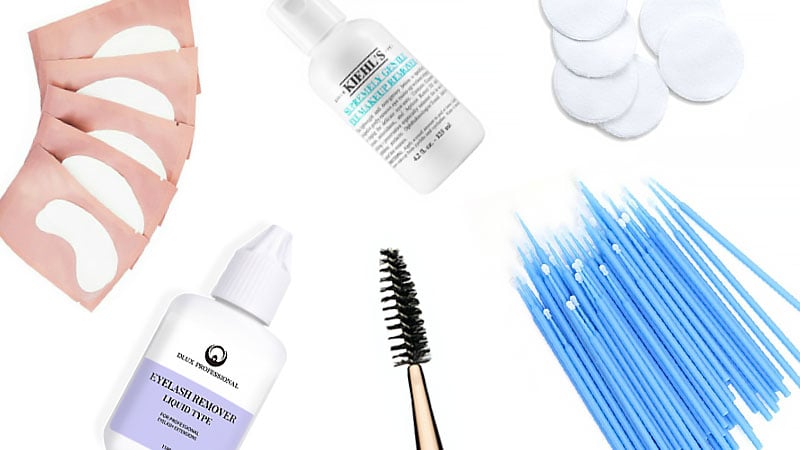
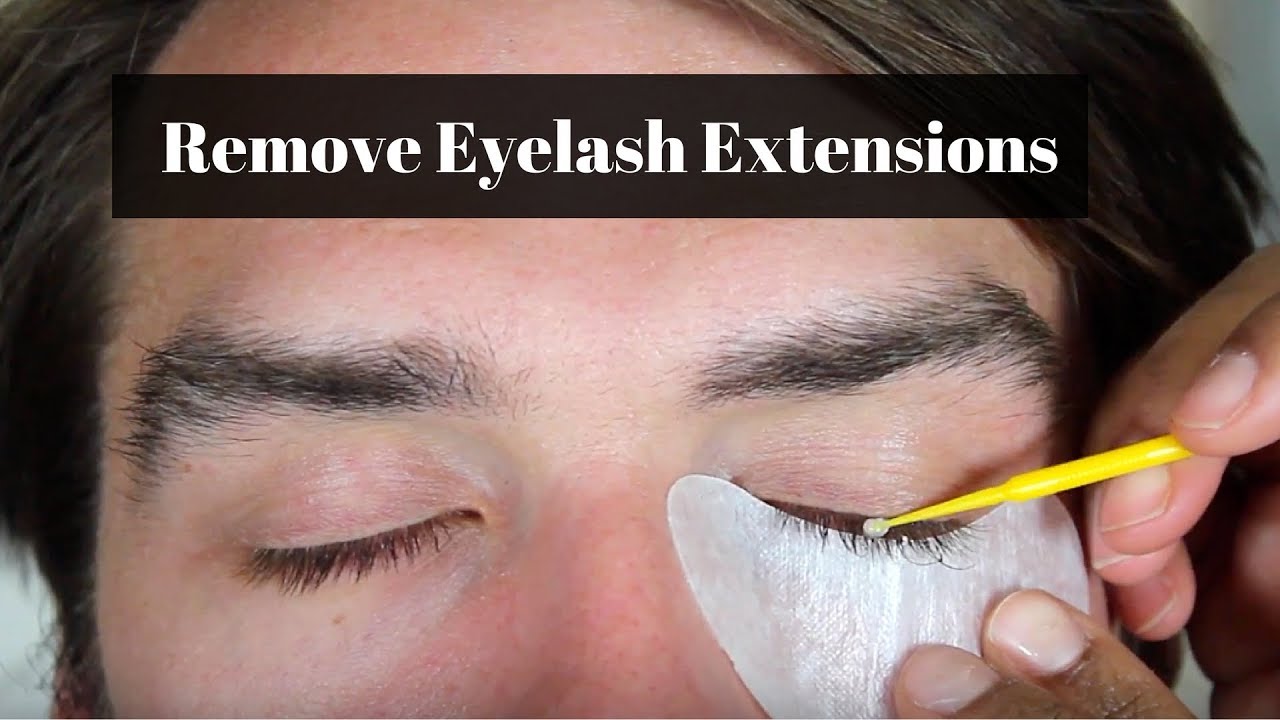
Moreover, it’s advised not to use sharp objects like tweezers near your eyes as they may lead to injuries. For the removal process, you should have a couple of paper towels, disposable mascara brushes, Q-tips, and cotton pads. First, squeeze the paper towel between your top and bottom lashes. Make sure to squeeze your eyelids together so the product can’t get into your eyes. The lashes I used a not premade volume fans, if you are new to applying lashes, then these lashes may prove difficult to work with.

how to make lash extensions at home

I love the adhesive in the packaging; it’s super clean and doesn’t destroy or distort the lashes when you try to pull them off. However, this alternative is affordable and accessible, and in my opinion works great for a bunch of applications. I’ve been doing my lashes like this for the last couple months in quarantine, and they’ve been a great confidence boost, especially when I’m spending every day laying around in sweats.. They’d be perfect for a music festival or short vacation, when you want the look of lashes on the cheap but don’t want to apply strip lashes every day. Treating this base you’ve created like a client’s real lash line, start applying extensions to the lashes, using different lengths.

Use a mannequin to practice applying eyelash extensions at home

"Try to avoid splashing water directly on them, or putting your face directly under the shower head," says Medicis. The finishing coat also has a micro-wand, and "all you need to do is run it along the sides, back and forth once or twice" across your lashes, says Medicis. It's double-sided and comes with a black micro-mascara wand on one side and a clear brush on the other. For your first coat, use the micro-wand to apply the bond like a "thin, light coat of mascara" all over your lashes. By following these simple steps, you can remove your extensions safely and without any hassle.

There are a few different methods that can be used to remove lash extensions, but the best way to do so depends on the type of extension you have and how sensitive your skin is. Spread a layer of petroleum jelly, or other product listed below, on the glue that holds your lash extensions in place. If you decide to remove lashes at home, make sure to use one of the ways we have suggested, and be as gentle on your lash line as possible. In case all the lashes fail to come off in one sitting, don’t worry, and take a few days to do the job of removing the remaining extensions.

How to remove eyelash extensions with baby oil

Thankfully, the next day, I was fine , so I gave my eyes a rest for a few days and tried again. The second time around, I knew not to use so much glue and to work more quickly, as the glue tends to get tacky, and it dries fast while it's on the foil. I also applied a few of the shorter lashes toward the inner corner of my eyes. There was no clumping and no burning—just feathery, realistic lashes. Gently apply this to the lashes to ensure that the remover starts to loosen the glue of the extensions for safe at-home removal.

how to make lash extensions at home

These extensions are applied by a lash artist and are removed using oil. During your morning routine, don’t forget to brush the tips of your eyelashes with a clean, dry mascara brush. Just remember to avoid getting cheap or readymade extensions as they may affect the growth and health of your natural eyelashes.

I am, however, not a registered esthetician, medical esthetician, or dermatologist. Map out the desired look, using the under-eye pads, as you would on a real-life client. Take your undereye pads and apply them beneath the mannequin’s eyes. Once we get to know you and your eyes, we can recommend exactly what you need...

Extensions are usually attached with surgical-grade glue, so it’s best for your natural lashes and your eyes to see someone trained in the removal process. They’ll have the proper equipment, know how to remove the lash adhesive, and make sure bacteria isn’t spread around your eye, which is already a really sensitive area. You will have to use petroleum jelly or an oil-based makeup remover to remove the glue from your natural lashes. If you feel that your eyelash extensions are not being removed properly, it is best to get professional help.

To mimic the curvature of the eye, it’s best to use a sponge with a rounded edge. Whether you’re at home and unable to get to your salon, or you’ve simply got to a time of the year when client demand has dwindled, use this time to practice at home lash extensions. While cleansing your face, move the oil in gentle, circular motions to start to dissolve the lash glue. A shortcut to the hot shower method, a steam facial can be effective in loosening lash glue—and improving your complexion. Place your face above the steaming water for five to 10 minutes, keeping your eyes closed. Whether you’ll be heading back for another appointment or are taking a break from extensions, practicing good aftercare will help restore your lashes back to a healthy, natural look.

If there’s any sign of irritation, rash, or an allergic reaction, it will be best to stay away from the product. My only regret is that I didn’t buy some gel pads to protect my under eye area, just like the kind they put on you when you’re getting lash extensions. My under eye area was so irritated after taking off the lashes that I was mad at myself for not thinking of this step! Lash extensions weigh down your natural lashes, and as your natural lashes grow, they might not be able to support the weight.

Friday, September 4, 2020

Awasome Can Dentists Order Cat Scans References

When It's Time For Braces, Who's Better? Orthodontist or Dentist?
When It's Time For Braces, Who's Better? Orthodontist or Dentist? from chtortho.com

Did you know that dentists can order cat scans? It may sound surprising, but it's true! Cat scans, also known as computed tomography scans, are powerful imaging tools that can provide detailed information about a patient's oral health. In this article, we will explore the topic of can dentists order cat scans and uncover the benefits and possibilities it brings.

Pain Points of Can Dentists Order Cat Scans

When it comes to oral health, dentists face various challenges in diagnosing and treating their patients. Traditional dental x-rays have limitations in providing a comprehensive view of the oral structures, making it difficult to detect certain conditions. This can result in delayed or inaccurate diagnoses, leading to potential complications and compromised treatment outcomes.

Answering the Question: Can Dentists Order Cat Scans?

The answer is yes, dentists can order cat scans. With the advancements in technology, dental practices now have access to cone beam computed tomography (CBCT) machines specifically designed for capturing detailed images of the oral and maxillofacial regions. These scans provide dentists with valuable information about the teeth, jawbones, sinuses, and other structures, allowing for more accurate diagnoses and treatment planning.

Summary: Can Dentists Order Cat Scans?

In summary, dentists can indeed order cat scans through the use of CBCT machines. These scans provide a more comprehensive view of the oral structures, enabling dentists to diagnose and treat conditions with greater accuracy. By incorporating cat scans into their practice, dentists can enhance patient care and improve treatment outcomes.

Can Dentists Order Cat Scans: A Personal Experience

When I visited my dentist recently, I was surprised to learn that they had invested in a CBCT machine. They explained to me that this technology allows them to see beyond what traditional x-rays can capture. During my dental implant procedure, the dentist used a cat scan to assess the density of my jawbone and plan the precise placement of the implant. This level of detail gave me confidence in the treatment and ensured a successful outcome.

Through my experience, I discovered that cat scans in dentistry offer numerous benefits. They provide a three-dimensional view of the oral structures, allowing for more accurate diagnoses of conditions such as impacted teeth, jawbone abnormalities, and temporomandibular joint disorders. Additionally, cat scans enable dentists to plan complex procedures such as dental implants, orthognathic surgery, and root canal treatments with greater precision.

Moreover, cat scans are quick and painless, making them a convenient option for patients. The process involves sitting or standing still while the machine rotates around the head, capturing images in a matter of seconds. The resulting images are then available for immediate assessment, allowing dentists to provide timely and effective treatment.

Cat Scan Image

Can Dentists Order Cat Scans: Exploring the Possibilities

The use of cat scans in dentistry is relatively new, but its potential is vast. By providing a detailed view of the oral structures, dentists can detect and diagnose conditions at earlier stages, leading to more conservative and effective treatments. Additionally, cat scans can aid in the evaluation of the airway, helping dentists identify sleep apnea and other breathing-related issues, which are often linked to oral health.

Furthermore, cat scans can assist in the planning of orthodontic treatments, as they allow dentists to assess the position of teeth and the underlying bone structure. This helps in determining the most suitable orthodontic approach and predicting treatment outcomes more accurately.

Cat Scan Machine

Can Dentists Order Cat Scans: Separating Fact from Myth

There are some misconceptions surrounding the use of cat scans in dentistry. One common myth is that cat scans expose patients to harmful levels of radiation. However, CBCT machines used in dental practices emit significantly less radiation compared to medical CT scans, making them safe for patients.

Another myth is that cat scans are only necessary for complex cases. While cat scans are particularly beneficial for complex procedures and conditions, they can also provide valuable insights for routine dental care. From detecting hidden cavities to evaluating bone density for denture placement, cat scans can enhance the overall quality of dental treatment.

Cat Scan Results

Can Dentists Order Cat Scans: The Hidden Secret

The hidden secret of cat scans in dentistry lies in their ability to revolutionize the field. With the detailed information obtained from these scans, dentists can provide personalized treatment plans tailored to each patient's unique needs. This level of precision can result in improved patient satisfaction and better long-term oral health outcomes.

Furthermore, the integration of cat scans in dental practices can lead to more collaborative and multidisciplinary approaches. Dentists can work closely with other healthcare professionals, such as oral surgeons and orthodontists, to develop comprehensive treatment strategies that address both oral and overall health concerns.

Dentist with Cat Scan

Can Dentists Order Cat Scans: Recommendations

If you are seeking dental care, it is worth considering a practice that offers cat scans. These scans can provide a more comprehensive evaluation of your oral health, leading to more accurate diagnoses and effective treatment plans. Before undergoing a cat scan, be sure to discuss any concerns or questions with your dentist to ensure you are well-informed and comfortable with the procedure.

Additionally, it is essential to choose a dentist who is experienced and knowledgeable in interpreting cat scan images. Their expertise will ensure that you receive the highest quality of care and optimal treatment outcomes.

Dentist Explaining Cat Scan

Understanding the Benefits of Can Dentists Order Cat Scans

Can dentists order cat scans have numerous benefits for both dentists and patients. By providing detailed images of the oral structures, cat scans enable dentists to diagnose and treat conditions more accurately. This leads to improved treatment outcomes, reduced risks, and enhanced patient satisfaction.

Furthermore, cat scans can help dentists identify hidden dental problems, such as hidden cavities, impacted teeth, and jawbone abnormalities. Early detection of these issues allows for timely intervention and prevents further complications.

Moreover, cat scans aid in the planning of complex dental procedures, such as dental implants and orthognathic surgery. By visualizing the oral structures in 3D, dentists can precisely plan the placement of implants or the repositioning of the jaw, leading to more successful and predictable outcomes.

Cat Scan with Dentist

Tips for Can Dentists Order Cat Scans

When incorporating cat scans into dental practice, here are some tips to keep in mind:

  • Stay up-to-date with the latest advancements in CBCT technology and software.
  • Ensure proper training and certification for operating and interpreting cat scan images.
  • Follow recommended radiation safety protocols to minimize patient exposure.
  • Communicate clearly with patients about the benefits and risks of cat scans, addressing any concerns or questions they may have.
  • Collaborate with other healthcare professionals to provide comprehensive care based on cat scan findings.

Conclusion of Can Dentists Order Cat Scans

In conclusion, dentists have the ability to order cat scans through the use of CBCT machines. These scans provide detailed images of the oral structures, allowing for more accurate diagnoses and treatment planning. By incorporating cat scans into dental practice, dentists can provide enhanced patient care and improve treatment outcomes. If you are seeking dental care, consider a practice that offers cat scans for a more comprehensive evaluation of your oral health.

Question and Answer

Q: Are cat scans safe for dental patients?

A: Yes, cat scans used in dentistry emit significantly less radiation compared to medical CT scans, making them safe for patients.

Q: Can cat scans be used for routine dental care?

A: Yes, cat scans can provide valuable insights for routine dental care, such as detecting hidden cavities and evaluating bone density for denture placement.

Q: How long does a cat scan in dentistry take?

A: The process of a cat scan in dentistry is quick and typically takes a matter of seconds. The resulting images are available for immediate assessment.

Q: Can cat scans aid in the planning of orthodontic treatments?

A: Yes, cat scans allow dentists to assess the position of teeth and the underlying bone structure, helping in determining the most suitable orthodontic approach and predicting treatment outcomes.

List Of Does The Uk Have Dentist 2023

Going to the dentist is the weirdest thing I've done in 2021
Going to the dentist is the weirdest thing I've done in 2021 from www.usatoday.com

Attention all UK residents! Are you in need of dental care? If you've ever wondered "does the UK have dentists?", then you've come to the right place. In this article, we will explore the availability of dental services in the UK and provide you with all the information you need to keep your pearly whites in top shape. So, let's dive in!

Why Dental Care Matters

Taking care of your oral health is essential for overall well-being. Poor dental hygiene can lead to various problems such as tooth decay, gum disease, and even more serious conditions. It's important to address any dental issues promptly to prevent further complications. However, finding a reliable dentist can sometimes be a challenge.

Do Dentists Exist in the UK?

Yes, absolutely! The UK is home to a wide range of dental professionals who are dedicated to providing top-notch dental care. From general dentists to specialists like orthodontists and periodontists, there is a wealth of expertise available to cater to your dental needs.

The Importance of Regular Dental Check-ups

Regular dental check-ups are crucial for maintaining good oral health. During these visits, dentists can identify and address any potential issues before they become major problems. They can perform thorough cleanings, conduct X-rays, and provide personalized advice on oral care.

My Personal Experience with UK Dentists

As someone who has lived in the UK for several years, I can confidently say that the dental services here are top-notch. I have visited multiple dentists in different cities, and every experience has been positive. The professionals I encountered were highly skilled, friendly, and took the time to explain any procedures or treatments.

One particular dentist I visited for a routine check-up went above and beyond to make me feel comfortable. They had a modern clinic equipped with the latest technology, and the staff was incredibly knowledgeable. I left the appointment feeling confident that my dental health was in good hands.

Understanding Dental Services in the UK

When it comes to dental services in the UK, you can expect a wide range of treatments and procedures. From routine cleanings and fillings to more complex procedures like root canals and dental implants, UK dentists are well-versed in all aspects of oral care.

It's also worth mentioning that the UK offers both private and NHS (National Health Service) dental care options. Private dentists often provide a wider range of services and may have shorter waiting times, but they can be more expensive. NHS dentists, on the other hand, offer more affordable options but may have longer waiting times for non-urgent treatments.

The History and Myth of UK Dentistry

The history of dentistry in the UK dates back centuries. The first dental college was established in London in 1856, further paving the way for the advancement of dental care in the country. Over the years, dentistry has evolved significantly, with new techniques and technologies constantly being introduced.

One common myth about UK dentistry is that it is painful or unpleasant. However, this couldn't be further from the truth. Dentists in the UK prioritize patient comfort and use various methods to ensure a pain-free experience. From local anesthesia to sedation dentistry, there are options available to make your visit as comfortable as possible.

The Hidden Secret of UK Dentistry

The hidden secret of UK dentistry lies in the level of expertise and innovation found within the industry. UK dental professionals undergo extensive training and education to stay up-to-date with the latest advancements in dental care. They continuously strive to provide the best possible treatments and solutions for their patients.

Recommendation for Finding a Dentist in the UK

If you're in search of a dentist in the UK, there are a few steps you can take to find the right one for you. Start by asking for recommendations from friends, family, or colleagues. Reading online reviews and checking the dentist's qualifications and experience can also help you make an informed decision. It's essential to find a dentist who not only meets your oral health needs but also makes you feel comfortable and at ease.

Exploring Different Dental Treatments

In the UK, you can find a wide range of dental treatments to address various oral health concerns. These treatments include:

  • Teeth whitening
  • Orthodontic treatments (braces, clear aligners)
  • Dental implants
  • Root canal therapy
  • Periodontal treatments

Each treatment is tailored to the individual's needs, and dentists work closely with patients to create personalized treatment plans.

Tips for Maintaining Good Oral Health

Aside from regular dental check-ups, there are several steps you can take to maintain good oral health:

  • Brush your teeth at least twice a day
  • Use fluoride toothpaste
  • Floss daily
  • Avoid sugary foods and drinks
  • Limit alcohol and tobacco use

Following these tips can help prevent dental problems and keep your smile shining bright.

Common Questions about UK Dentistry

1. Is dental care expensive in the UK?

Dental care costs in the UK can vary depending on the treatment and whether you opt for private or NHS care. It's best to inquire about costs directly with your chosen dentist.

2. How often should I visit the dentist?

It is generally recommended to visit the dentist every six months for a routine check-up. However, your dentist may recommend more frequent visits based on your individual needs.

3. Can I get emergency dental care in the UK?

Yes, emergency dental care is available in the UK. Many dental practices have provisions for urgent cases, so don't hesitate to reach out if you require immediate attention.

4. Can I change dentists if I'm not satisfied with my current one?

Absolutely! If you're not satisfied with your current dentist, you have the option to switch to a different one. It's essential to find a dentist who meets your expectations and makes you feel comfortable.

Conclusion - Dental Care in the UK

So, to answer the burning question of "does the UK have dentists?", the answer is a resounding yes! The UK is home to a thriving dental industry with highly skilled professionals ready to cater to your oral health needs. Whether you're in need of a routine check-up or a more complex dental treatment, you can rest assured that you'll find excellent care in the UK.

Thursday, September 3, 2020

The Best Does My Dentist Have To Release My Records References

What Kind of Education and Training Does My Dentist Have? The Ethical
What Kind of Education and Training Does My Dentist Have? The Ethical from www.mycarolinadentist.com

Have you ever wondered if your dentist is required to release your records? It's a question that many people have, and it's important to know your rights when it comes to your dental health. In this article, we will explore the topic of whether or not your dentist has to release your records and provide you with the information you need to make informed decisions about your dental care.

When it comes to your dental records, there can be a lot of confusion and frustration. Many people are unsure of their rights and what they are entitled to when it comes to accessing their dental records. This can lead to feelings of powerlessness and a lack of control over their own healthcare. Understanding your rights and the obligations of your dentist can help alleviate these concerns and empower you to take charge of your dental care.

So, does your dentist have to release your records? The answer is yes. According to the Health Insurance Portability and Accountability Act (HIPAA), dental professionals are required to provide patients with access to their dental records upon request. This means that you have the right to obtain a copy of your dental records, including x-rays, treatment plans, and any other information pertaining to your dental health.

Personal Experience and Explanation

Recently, I had to switch dentists due to a move to a different city. I wanted to ensure that my new dentist had access to my previous dental records so that they could provide me with the best possible care. I reached out to my previous dentist and requested a copy of my dental records. They were more than happy to provide me with a copy, and I was able to easily transfer my records to my new dentist. Having access to my dental records allowed my new dentist to have a complete understanding of my dental history and provide me with personalized care.

Access to your dental records is important for a number of reasons. First and foremost, having a copy of your records allows you to keep track of your dental history and monitor any changes in your oral health over time. This can be especially important if you have ongoing dental issues or if you need to seek treatment from a new dentist. Your records can provide valuable information to your dentist and help them make informed decisions about your care.

What are Dental Records?

Dental records are a collection of documents and information that pertain to your dental health. They typically include a variety of information, such as x-rays, treatment plans, dental history, and any other relevant information about your oral health. These records are important because they provide a comprehensive overview of your dental health and can help guide your dentist in providing you with the best possible care.

It's important to note that dental records are considered confidential and are protected by HIPAA. This means that your dentist is required to keep your records private and secure. They are not allowed to share your records with anyone without your consent, except in certain circumstances outlined by HIPAA.

The History and Myth of Dental Records

The concept of dental records has been around for centuries. In fact, ancient civilizations such as the Egyptians and Greeks kept detailed records of dental treatments and procedures. These records were often inscribed on stone tablets or papyrus and provided valuable information about the dental health of individuals.

Over time, the importance of dental records has only grown. With advancements in technology and a greater understanding of oral health, dental records have become an essential tool for dentists. They allow dentists to track changes in a patient's oral health, identify potential issues, and provide personalized care.

The Hidden Secret of Dental Records

While the release of dental records is required by law, there are some instances where a dentist may be hesitant to release them. One such instance is if the dentist believes that releasing the records could be harmful to the patient. For example, if a dentist believes that releasing a patient's records could lead to the patient engaging in harmful behaviors or could negatively impact their mental health, they may choose to withhold the records.

It's important to remember that the primary goal of dental records is to provide you with the best possible care. If your dentist believes that releasing your records could potentially harm you, they may choose to withhold them. However, this should be a rare occurrence and should only be done in the best interest of the patient.

Recommendation for Accessing Dental Records

If you're in need of your dental records, there are a few steps you can take to ensure a smooth process. First, reach out to your dentist and request a copy of your records. Be sure to specify what information you need and why you need it. It's also a good idea to follow up with your request to ensure that it is being processed.

If your dentist is unresponsive or unwilling to release your records, you may want to consider filing a complaint with your state dental board or seeking legal advice. Remember, you have the right to access your dental records, and your dentist is legally obligated to provide them to you.

Exploring Dental Records in More Detail

When it comes to dental records, there are a few key things to keep in mind. First, your dentist is required by law to provide you with access to your records. This includes both the physical records and any digital copies that may exist. Second, dental records are considered confidential and protected by HIPAA. This means that your dentist is required to keep your records private and secure. Finally, if you're having trouble accessing your records, don't hesitate to seek help. Your dental health is important, and you have the right to access your records.

Tips for Accessing Dental Records

If you're having trouble accessing your dental records, there are a few tips you can follow to help ensure a smooth process. First, be clear and specific in your request. Clearly state what information you need and why you need it. This can help your dentist understand your needs and provide you with the appropriate records.

Second, be persistent. If you don't receive a response to your request or if you're having trouble obtaining your records, don't give up. Follow up with your dentist and ask for an update on the status of your request. If necessary, consider filing a complaint with your state dental board or seeking legal advice.

Finally, be prepared to pay a fee. While your dentist is required to provide you with a copy of your records, they may charge a reasonable fee for the cost of copying and sending the records to you. Be sure to inquire about any fees upfront and be prepared to pay them.

Conclusion of Dental Records

Access to your dental records is an important right that you have as a patient. By understanding your rights and the obligations of your dentist, you can take control of your dental health and make informed decisions about your care. If you're having trouble accessing your records, don't hesitate to seek help. Your dental health is important, and you have the right to access your records.

Question and Answer Section

Q: Can my dentist refuse to release my records?

A: In most cases, your dentist is legally required to release your records upon request. However, there may be instances where a dentist can refuse to release your records if they believe it could be harmful to you.

Q: How long does my dentist have to release my records?

A: According to HIPAA, your dentist is required to provide you with access to your records within 30 days of your request.

Q: Can my dentist charge me for my records?

A: Your dentist can charge a reasonable fee for the cost of copying and sending your records to you. However, they cannot charge an excessive fee that would prevent you from accessing your records.

Q: What if I suspect that my dentist is withholding my records?

A: If you believe that your dentist is withholding your records without a valid reason, you may want to consider filing a complaint with your state dental board or seeking legal advice.

Conclusion of Does My Dentist Have to Release My Records

Famous Do Dentists Say Patients Or Clients References

How to Find a Dentist Bismarck Advanced Dental and Implants
How to Find a Dentist Bismarck Advanced Dental and Implants from www.dentalimplantsnorthdakota.com

Have you ever wondered whether dentists refer to their patients as "patients" or "clients"? It's a question that many people have pondered over the years. In this article, we will explore the topic of whether dentists say patients or clients and provide some insights into the reasoning behind their choice of terminology.

When it comes to visiting the dentist, many people experience anxiety and fear. The thought of dental procedures can be daunting, and finding a dentist who understands and empathizes with these concerns is crucial. That's why the terminology used by dentists to refer to their patients can play a significant role in creating a comfortable and trusting environment. The language they choose can either reinforce the notion of a healthcare provider-patient relationship or a more customer-oriented approach.

So, do dentists say patients or clients? The general consensus in the dental community is that dentists typically refer to the individuals they treat as "patients." The term "patient" signifies a medical relationship, emphasizing the dentist's role as a healthcare provider. It also conveys a sense of professionalism and expertise, which is of utmost importance in the field of dentistry. While some dentists may use the term "clients" in certain contexts, such as when discussing payment or business-related matters, the term "patient" is the preferred and more commonly used term.

In summary, dentists primarily use the term "patients" to refer to the individuals they treat. This choice of terminology reflects the healthcare provider-patient relationship and emphasizes the dentist's role as a medical professional. While the term "clients" may be used in specific contexts, such as discussing payment, the term "patients" is the preferred and more commonly used term in the dental community.

Understanding the Importance of Terminology

The choice of terminology used by dentists can have a significant impact on the patient's perception of their dental experience. When patients are referred to as "patients," it reinforces the notion that they are receiving medical care from a qualified healthcare professional. This terminology can help establish trust, confidence, and a sense of security in the dentist-patient relationship.

On the other hand, using the term "clients" may imply a more business-oriented approach, focusing on customer satisfaction and service. While customer service is undoubtedly essential in any healthcare setting, it is crucial to strike a balance between providing excellent service and maintaining the professionalism and expertise associated with the medical field.

Overall, the choice of terminology used by dentists can shape the patient's perception of their dental experience. By using the term "patients," dentists can reinforce the healthcare provider-patient relationship and convey a sense of professionalism and expertise.

The Evolution of Terminology

The terminology used by dentists has evolved over time, reflecting changes in the healthcare industry and societal norms. In the past, the term "patient" was the standard and widely accepted term used by healthcare providers to refer to the individuals they treated.

However, with the rise of consumerism in healthcare and the emphasis on patient-centered care, some dental practices started using the term "clients" to reflect a more customer-oriented approach. This shift in terminology aimed to emphasize the importance of providing excellent customer service and meeting the individual needs and preferences of each patient.

Despite this shift, the term "patient" has remained the preferred and more commonly used term among dentists. It reflects the healthcare provider-patient relationship and highlights the dentist's role as a medical professional.

The Hidden Secret Behind the Terminology

While the choice of terminology may seem like a minor detail, it can have a significant impact on the patient's perception of their dental experience. By using the term "patients," dentists can establish trust, confidence, and a sense of security in the dentist-patient relationship. This terminology reinforces the notion that patients are receiving medical care from a qualified healthcare professional.

On the other hand, using the term "clients" may diminish the professional and medical aspect of the dentist-patient relationship. It may give the impression that the focus is solely on customer satisfaction and service, rather than on providing high-quality healthcare.

Therefore, it is crucial for dentists to carefully consider the terminology they use and the message it conveys to their patients. By using the term "patients," dentists can create an environment that prioritizes professionalism, expertise, and the well-being of their patients.

Recommendations for Dentists

Based on the insights provided, it is recommended for dentists to use the term "patients" when referring to the individuals they treat. This choice of terminology reinforces the healthcare provider-patient relationship, emphasizes professionalism, and conveys a sense of expertise.

Additionally, dentists should strive to provide excellent customer service while maintaining the professionalism and medical aspect of their practice. By finding a balance between customer service and medical care, dentists can create an environment that meets the individual needs and preferences of their patients while upholding the standards of the dental profession.

Going Beyond the Terminology: Building Trust and Confidence

While the choice of terminology is essential, it is equally important for dentists to focus on building trust and confidence with their patients. This can be achieved through effective communication, active listening, and a personalized approach to patient care.

Dentists should take the time to listen to their patients' concerns, address any fears or anxieties, and provide clear explanations of procedures and treatment options. By fostering open and honest communication, dentists can establish a strong dentist-patient relationship built on trust, confidence, and mutual respect.

Tips for Dentists: Enhancing the Patient Experience

1. Create a welcoming and comfortable environment in your dental practice. Consider elements such as soothing colors, comfortable seating, and calming music to help alleviate patient anxiety. 2. Take the time to explain procedures and treatment options in simple and understandable terms. Use visual aids such as diagrams or models to enhance patient understanding. 3. Be attentive to your patients' needs and concerns. Take the time to listen actively and address any questions or fears they may have. 4. Provide post-treatment care instructions and follow-up with your patients to ensure their well-being and satisfaction. 5. Continuously seek feedback from your patients to improve your practice and enhance the patient experience.

Question and Answer

Q: Can dentists use the term "clients" instead of "patients"? A: While some dentists may use the term "clients" in certain contexts, such as discussing payment or business-related matters, the term "patients" is the preferred and more commonly used term in the dental community to reflect the healthcare provider-patient relationship. Q: Does the choice of terminology affect the patient's perception of their dental experience? A: Yes, the choice of terminology can have a significant impact on the patient's perception of their dental experience. Using the term "patients" reinforces the notion of receiving medical care from a qualified healthcare professional and creates a sense of trust, confidence, and security. Q: Why is it important for dentists to build trust and confidence with their patients? A: Building trust and confidence is crucial in the dental profession as it helps alleviate patient anxiety and fear, promotes open and honest communication, and fosters a strong dentist-patient relationship. Q: How can dentists enhance the patient experience? A: Dentists can enhance the patient experience by creating a welcoming environment, explaining procedures and treatment options clearly, being attentive to patients' needs and concerns, providing post-treatment care instructions, and seeking feedback to continuously improve their practice.

Conclusion of Do Dentists Say Patients or Clients

The choice of terminology used by dentists to refer to their patients holds significance in shaping the patient's perception of their dental experience. While some dentists may use the term "clients" in specific contexts, the preferred and more commonly used term is "patients." This choice of terminology reflects the healthcare provider-patient relationship, emphasizes professionalism, and conveys trust, confidence, and a sense of security in the dentist-patient relationship. Dentists should strive to provide excellent customer service while maintaining the professionalism and medical aspect of their practice, creating an environment that prioritizes the well-being of their patients.

Wednesday, September 2, 2020

The Best Are Dentists Open During Pandemic In Illinois References

Is it safe to visit the dentist during the pandemic?
Is it safe to visit the dentist during the pandemic? from www.mysanantonio.com

Are Dentists Open During Pandemic in Illinois?

The COVID-19 pandemic has impacted various industries, including healthcare. Many people are wondering if dentists are open during the pandemic in Illinois. The fear and uncertainty surrounding the virus have made people hesitant to visit healthcare facilities, including dental clinics. However, it is essential to address dental health needs even during a pandemic.

Yes, dentists are open during the pandemic in Illinois. Dental clinics have implemented strict safety protocols to ensure the well-being of both patients and staff. They follow guidelines provided by the Centers for Disease Control and Prevention (CDC) and the American Dental Association (ADA) to minimize the risk of COVID-19 transmission.

In summary, dentists in Illinois are open and providing essential dental services during the pandemic. They have implemented safety protocols to ensure the well-being of patients and staff. It is crucial to prioritize dental health and seek necessary dental care while following safety guidelines.

Are Dentists Open During Pandemic in Illinois and their Importance

During the pandemic, it is natural for people to have concerns about visiting a dentist. However, maintaining good oral health is crucial for overall well-being. Neglecting dental issues can lead to more severe problems in the future.

Regular dental check-ups and cleanings are essential for preventing dental diseases and detecting any issues early on. Dentists can identify and treat problems like cavities, gum disease, and oral cancer. They also provide preventive measures like fluoride treatments and dental sealants.

Additionally, dentists can provide treatments for cosmetic purposes, such as teeth whitening and orthodontics. These treatments can improve a person's confidence and self-esteem.

Visiting a dentist during the pandemic is safe as long as proper safety measures are followed. Dental clinics have implemented protocols like pre-screening patients, ensuring proper sanitization, and using personal protective equipment (PPE) to minimize the risk of COVID-19 transmission.

History and Myth of Are Dentists Open During Pandemic in Illinois

Throughout history, dentists have played a crucial role in maintaining oral health. However, during pandemics or other health crises, there have been concerns about visiting dental clinics. These concerns often stem from fear of infection or misinformation.

It is important to debunk the myth that dentists are not open during a pandemic. Dental clinics have adapted to the current situation by implementing safety measures and following guidelines from health authorities. They prioritize the well-being of their patients and staff.

Hidden Secret of Are Dentists Open During Pandemic in Illinois

The hidden secret is that dental clinics have taken significant steps to ensure the safety of their patients. They have implemented enhanced cleaning and disinfection protocols, reduced waiting room capacity, and increased the use of PPE. These measures help minimize the risk of COVID-19 transmission and provide a safe environment for dental care.

Dentists also offer telehealth services for consultations and follow-ups. This allows patients to receive guidance and advice without having to visit the clinic physically.

Recommendation of Are Dentists Open During Pandemic in Illinois

If you have dental concerns or need regular check-ups, it is recommended to visit a dentist during the pandemic. Dental health is an essential part of overall well-being, and neglecting it can lead to more severe problems in the future.

Before visiting a dental clinic, it is advisable to call and inquire about their safety protocols and appointment procedures. By following safety guidelines and cooperating with dental staff, you can ensure a safe and comfortable dental experience.

Importance of Regular Dental Check-ups

Regular dental check-ups are crucial for maintaining good oral health. Dentists can identify and treat dental issues in their early stages, preventing them from becoming more severe and costly to treat. They also provide preventive measures like cleanings and fluoride treatments to keep your teeth and gums healthy.

During the pandemic, it is understandable to have concerns about visiting a dentist. However, dental clinics have implemented safety measures to ensure the well-being of their patients. By following safety guidelines and scheduling regular dental check-ups, you can prioritize your dental health.

Tips for Are Dentists Open During Pandemic in Illinois

If you are unsure about visiting a dentist during the pandemic, here are some tips to consider:

  • Research dental clinics in your area and check their safety protocols.
  • Call the clinic and inquire about their appointment procedures and safety measures.
  • Follow the guidelines provided by the dental clinic and cooperate with staff during your visit.
  • Practice good oral hygiene at home by brushing twice a day and flossing regularly.
  • Stay informed about the latest updates and guidelines from health authorities regarding dental care during the pandemic.

Question and Answer

Q: Are dentists open for routine check-ups during the pandemic?

A: Yes, dentists are open for routine check-ups with the implementation of safety protocols.

Q: Is it safe to visit a dentist during the pandemic?

A: Yes, dental clinics have implemented safety measures to ensure the well-being of their patients.

Q: What safety measures are dental clinics taking during the pandemic?

A: Dental clinics are implementing measures like pre-screening patients, enhanced cleaning and disinfection protocols, and the use of PPE.

Q: Can I receive dental consultations or follow-ups through telehealth services?

A: Yes, many dental clinics offer telehealth services for consultations and follow-ups.

Conclusion of Are Dentists Open During Pandemic in Illinois

Despite the ongoing pandemic, dentists in Illinois are open and providing essential dental services. They have implemented strict safety protocols to ensure the well-being of their patients and staff. It is important to prioritize dental health and seek necessary dental care while following safety guidelines. By doing so, you can maintain good oral health and prevent future dental problems.

How Stress Can Affect Hair Loss And What To Do About It

Table Of Content Step 1: Brush Your Hair Trying Different Types of Ponytails Sleek High Ponytail With Extensions French Braid Ponytail Easy ...